Streamlining Finances and Publishing with the Monthly Bill Tracker Yellow Collection
Managing personal finances often feels like a battle between organization and chaos. For many, the solution lies not in complex software but in the tactile reliability of paper tracking. The Monthly Bill Tracker Yellow collection addresses this need directly, offering a vibrant, functional approach to expense management. Beyond its utility for individual users, this specific product line serves a dual purpose. It is designed as a comprehensive resource for both end-users seeking financial clarity and digital publishers looking for ready-to-use KDP interiors. By combining aesthetic appeal with rigorous practicality, these trackers bridge the gap between daily budgeting habits and commercial publishing opportunities.
The Psychological Impact of Color-Coded Organization
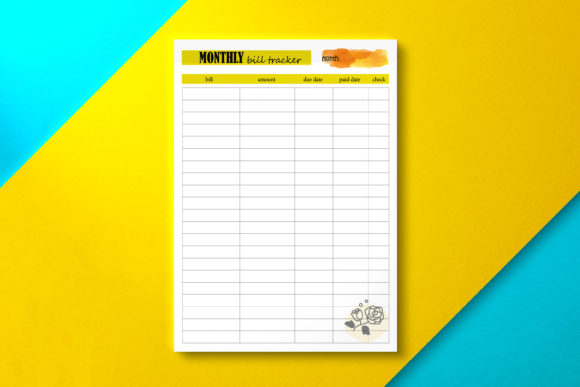
While functionality is paramount in financial tracking, visual design plays an underestimated role in consistency. The choice of yellow for the Monthly Bill Tracker Yellow series is strategic rather than accidental. In color psychology, yellow is associated with optimism, mental clarity, and energy. Financial management is frequently linked to stress or anxiety; introducing a warm, bright hue can subconsciously reframe the task from a chore to a positive ritual.
This color coding also serves a practical archival function. When stored on a shelf or within a binder system, a yellow-spined or yellow-themed tracker stands out against standard white or black office supplies. This visual distinctiveness reduces friction when locating documents. Users are more likely to maintain a habit if the tool they need is instantly recognizable and visually inviting. The yellow theme provides a cohesive look across all size variations, ensuring that whether you are using A4 or Half Letter formats, the organizational system remains unified.
Navigating Size Variations for Different Lifestyles
One of the most critical aspects of adopting a bill tracking system is ensuring the physical format matches the user's lifestyle. A tracker that is too large will be left at home; one that is too small may lack necessary writing space. This collection covers the four most essential paper standards to accommodate diverse needs.
- Letter Size (8.5" x 11"): The standard for North American households. This size offers maximum surface area for detailed notes, multiple bill categories per page, and ample room for those with larger handwriting. It fits perfectly in standard filing cabinets and three-ring binders.
- Half Letter (5.5" x 8.5"): Gaining massive popularity in the planner community, this size is exactly half of a standard letter sheet. It is portable enough for a purse or laptop bag yet retains significant usability. It is ideal for users who want to track bills on the go or prefer a compact desk footprint.
- A4 (210mm x 297mm): The international standard. For users outside North America, or those utilizing international binder systems, A4 is non-negotiable. It mirrors the utility of Letter size but adheres to ISO standards, ensuring compatibility with global stationery supplies.
- A5 (148mm x 210mm): The metric equivalent of Half Letter. This is the quintessential notebook size for journaling and bullet planning. An A5 Monthly Bill Tracker Yellow integrates seamlessly into existing planner setups, allowing users to keep their financial data alongside their daily schedules without carrying multiple books.
Functional Design Elements for Effective Tracking
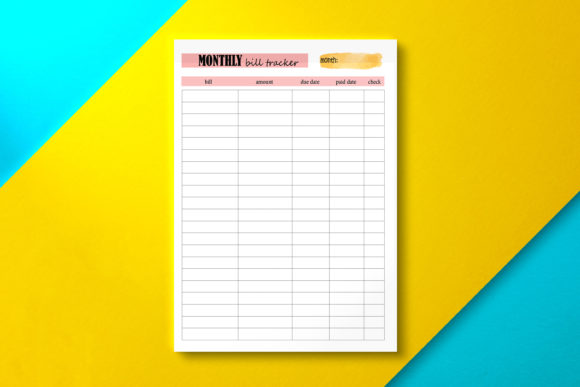
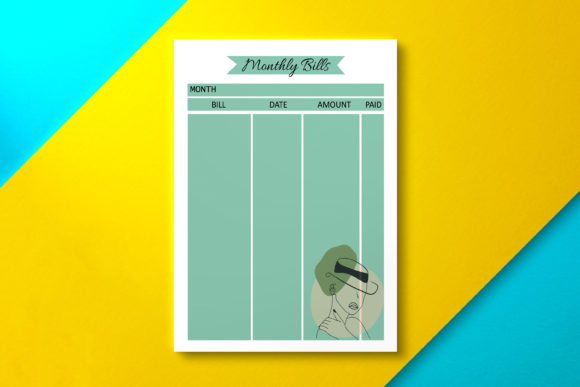
A pretty tracker fails if it does not capture the right data. The single-page layout included in this collection is engineered for high-density information retention without feeling cluttered. Effective bill tracking requires specific fields that go beyond simple "paid" or "unpaid" checkboxes. The layout typically accommodates the payee name, due date, amount budgeted, actual amount paid, payment method, and a confirmation number field.
This structure supports active reconciliation. Rather than passively recording expenses, the user engages in a verification process. The inclusion of a payment method column is particularly relevant in modern finance, where transactions might occur via credit card, debit, auto-draft, or cash. Tracking the method helps prevent double-counting and aids in balancing bank statements at month-end. Furthermore, the single-page constraint forces prioritization. Users cannot endlessly scroll; they must categorize and condense their financial obligations into a manageable view, which promotes better awareness of total monthly liabilities.
Integration into Modern Financial Workflows
Digital fatigue is real. Many individuals use apps for transaction alerts but still prefer paper for holistic monthly planning. The Monthly Bill Tracker Yellow acts as an analog anchor in a digital workflow. A common hybrid approach involves downloading bank feeds into a spreadsheet for raw data while using the printed yellow tracker for forward-looking planning and manual verification.
This tactile interaction slows down the decision-making process. Writing a bill down by hand reinforces memory and commitment. For freelancers or small business owners who separate personal and business expenses, having distinct physical trackers prevents commingling of funds. The yellow theme can even serve as a departmental or categorical code within a larger business system—for example, using yellow specifically for recurring overhead costs while reserving other colors for variable project expenses.
Commercial Viability and KDP Readiness
Beyond personal utility, this product file set is explicitly structured for creators and publishers. The "Ready Commercial Use" designation transforms a simple template into a scalable business asset. For Amazon KDP (Kindle Direct Publishing) authors, creating low-content books requires meticulous attention to technical specifications. This collection eliminates the guesswork regarding margins, bleed, and safe zones.
The inclusion of a 50-page Monthly Bill Tracker Letter Ready Commercial Use file is particularly valuable. KDP books require a minimum page count to be viable, and manually duplicating a single page fifty times introduces risks of formatting drift or layer errors. Providing a pre-assembled 50-page interior ensures that the upload process is seamless. Publishers can focus on cover design and keyword research rather than troubleshooting PDF export settings.
Technical Specifications for Flawless Printing
Print quality hinges on correct file preparation. These files are optimized for the realities of print-on-demand technology. Understanding the differences between the provided sizes is crucial for publishers targeting specific niches.
- Resolution and Clarity: All PDFs are generated at high resolution to ensure crisp lines and legible text. Yellow accents are calibrated for CMYK printing to avoid the muddy or neon shifts that can occur when RGB screen colors are converted for press.
- Margin Safety: Each size variant respects industry-standard margins. The A5 and Half Letter versions account for the tighter binding gutters typical of smaller formats, preventing content from being swallowed by the spine.
- Consistency Across Formats: Maintaining design integrity when scaling from A4 down to A5 is challenging. These files preserve the aspect ratio and readability of the Monthly Bill Tracker Yellow design regardless of the selected trim size.
Selecting the Right Format for Your Objective
Whether you are an individual organizing household bills or an entrepreneur building a publishing portfolio, choosing the correct variation matters. For personal users, the decision should be based on portability versus detail. If you manage bills exclusively at a desk, Letter or A4 provides the best canvas. If you travel frequently or integrate tracking into a mobile planner, Half Letter or A5 is superior.
For publishers, market research should dictate the choice. The US market heavily favors Letter and Half Letter sizes, while European and Asian markets prioritize A4 and A5. The availability of all four sizes in this collection allows for global market penetration without additional design work. Additionally, the 50-page compiled file significantly reduces production time, enabling faster iteration and testing of different cover designs or niche keywords.
Ultimately, the value of the Monthly Bill Tracker Yellow ecosystem lies in its versatility. It respects the user's need for beauty and order while acknowledging the creator's need for technical precision and commercial readiness. By aligning aesthetic warmth with structural rigor, it transforms the mundane task of bill paying into a sustainable, organized practice, and turns a simple document template into a professional-grade publishing asset.