Creating a Functional KDP Meal Planner Interior: Design, Utility, and Customization
The low-content publishing market has evolved significantly beyond simple lined journals. Today’s successful Amazon KDP creators understand that utility drives sales, particularly in the health and wellness niche. A well-structured KDP Meal Planner Interior serves as more than just blank space; it acts as a functional tool for organization, budgeting, and nutritional tracking. When designing or selecting a template for this specific category, the balance between aesthetic appeal and practical application determines whether a book becomes a bestseller or remains stagnant. The 6x9 inch trim size has emerged as the industry standard for these planners because it offers the perfect compromise between portability and writing space, fitting easily into kitchen drawers, handbags, or refrigerator-side organizers.
Optimizing the 6x9 Trim Size for Kitchen Utility
Choosing the correct dimensions is the first critical step in product development. While larger formats like 8.5x11 inches offer expansive layouts, they often feel cumbersome for daily carry. The 6x9 inch format aligns with modern lifestyle needs. It provides sufficient surface area for detailed meal logging without overwhelming the user. In a kitchen environment, counter space is premium real estate. A compact planner allows users to reference their weekly schedule while cooking without displacing cutting boards or appliances.
Furthermore, this size correlates directly with printing costs and profit margins on KDP. A 100-page interior in this dimension keeps the spine width substantial enough to be legible when shelved, yet thin enough to remain cost-effective for paperback production. This physical constraint forces designers to be intentional with white space and layout efficiency, ensuring every square inch contributes to the user's organizational goals rather than serving as mere filler.
The Importance of Editable Source Files
One of the most significant advantages of acquiring a professional template pack is the inclusion of editable source files. Relying solely on flattened PDFs limits long-term business growth. Access to both InDesign and PowerPoint files transforms a static product into a versatile asset base. Adobe InDesign remains the gold standard for print typography, offering precise control over grids, master pages, and bleed settings. For creators comfortable with professional design software, this ensures the highest quality output for complex layouts.
However, not every publisher has access to or proficiency in InDesign. The inclusion of a PowerPoint file democratizes the editing process. PowerPoint acts as an accessible alternative for modifying text, adjusting colors, or swapping out graphics without a steep learning curve. This dual-format approach allows for rapid iteration. If customer reviews indicate a preference for a different font style or an additional notes section, you can implement these changes in minutes rather than days. This agility is essential in a competitive marketplace where responsiveness to user feedback separates top-tier brands from generic competitors.
Essential Components of a High-Converting Planner
A generic calendar does not constitute a meal planner. Specific structural elements must be present to solve actual user problems. When evaluating or creating a KDP Meal Planner Interior, three core components define its value proposition.
The Ownership Page as a Branding Anchor
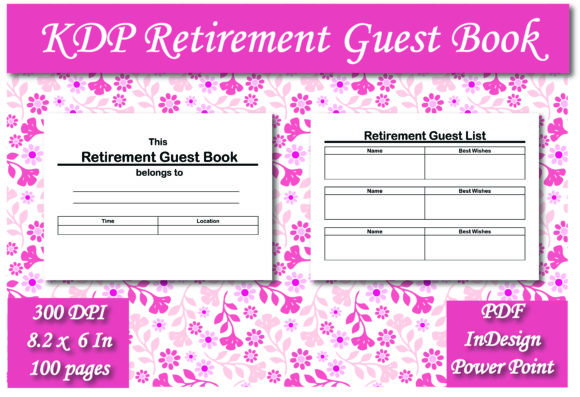
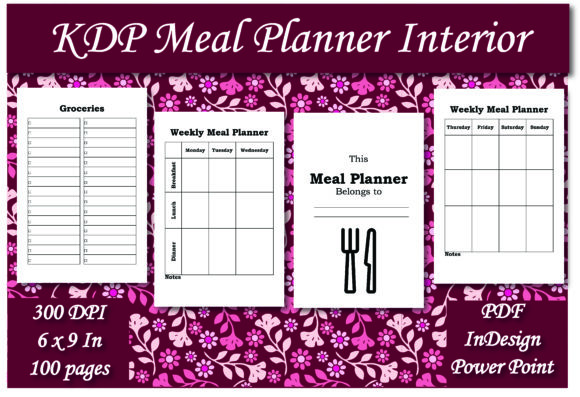
The “This Meal Planner Belongs to” page is frequently overlooked by amateur designers, yet it serves multiple strategic functions. Psychologically, it establishes ownership and commitment the moment the user writes their name. Practically, it aids in recovery if the book is misplaced in a communal kitchen or office breakroom. From a branding perspective, this page offers prime real estate for subtle marketing. Including a website URL, social media handle, or QR code linking to digital resources turns a physical product into a lead generation tool. It transforms the first impression from a blank sheet into a welcoming, personalized experience.
Integrated Grocery List Functionality
Meal planning and grocery shopping are inextricably linked behaviors. A planner that lacks a dedicated grocery section creates friction, forcing users to maintain separate lists on scrap paper or phone apps. An effective interior integrates grocery lists directly adjacent to or immediately following the weekly meal spread. Categorization is key here; unstructured lines lead to inefficient shopping trips. Pre-printed categories such as Produce, Dairy, Proteins, Pantry, and Frozen streamline the store experience. This feature elevates the book from a simple diary to a comprehensive household management system. Users are willing to pay a premium for interiors that reduce mental load and save time during errands.
Weekly Meal Planner Layouts
The weekly spread is the heartbeat of the product. Successful layouts avoid rigidity. While some users prefer strict breakfast-lunch-dinner grids, others require flexibility for snacks, leftovers, or intermittent fasting windows. A balanced design provides structured areas for main meals while leaving open space for notes or adjustments. Including sections for hydration tracking or daily affirmations can add perceived value without consuming excessive page count. The goal is to create a rhythm that encourages consistent use throughout the entire 100-page duration, preventing abandonment after the first few weeks.
Technical Readiness and Upload Standards
Creativity must eventually yield to technical compliance. Even the most beautiful interior will fail if rejected during the KDP review process. A ready-to-upload PDF eliminates guesswork regarding margins, bleed, and color profiles. Professional templates come pre-configured with the correct gutter margins for a 100-page 6x9 book, ensuring content never disappears into the binding. This technical foundation saves hours of troubleshooting and prevents costly proof copy orders.
Print-ready files should always be exported as high-resolution PDFs (300 DPI minimum) with embedded fonts. This guarantees that what you see on screen matches the physical output exactly. For black and white interiors, which dominate this niche due to lower printing costs, ensuring rich blacks and crisp lines is paramount. Gray tones can sometimes print inconsistently on standard KDP paper, so high-contrast designs typically perform better and receive fewer negative reviews regarding print quality.
Strategic Differentiation in a Saturated Market
With thousands of meal planners available, differentiation requires more than just a pretty cover. The interior experience dictates retention and reviews. Consider how the 100-page count influences usage patterns. At roughly 52 weeks per year, a 100-page planner covers nearly two years of weekly planning if used consistently, or one year with ample room for monthly overviews and recipe collections. Communicating this longevity in your listing helps justify the price point.
Customization capabilities further enhance market positioning. Using the provided InDesign or PowerPoint files, you can create niche-specific variations from a single master template. A keto-focused version might emphasize macro tracking fields, while a family-oriented edition could include kid-friendly lunchbox ideas or allergy warning sections. Vegan, gluten-free, or budget-conscious adaptations all stem from the same foundational structure. This scalability allows you to build a cohesive brand portfolio rather than relying on a single product.
User experience testing is another valuable application of editable files. Before launching, print a test copy and use it yourself for two weeks. Note where you instinctively write outside the lines, which sections remain empty, and where you need more space. These insights are invaluable and impossible to gain from digital proofs alone. Iterating based on real-world usage data creates a superior product that resonates authentically with buyers seeking genuine organizational solutions.
Balancing Aesthetics with Practical Application
Visual design plays a crucial role in conversion, but functionality ensures satisfaction. Minimalist interiors often outsell ornate designs because they accommodate diverse handwriting styles and pen types. Heavy ink coverage can cause bleed-through on standard KDP paper, rendering reverse sides unusable. Strategic use of light gray lines instead of solid black borders maintains visual hierarchy while preserving paper integrity. White space is not wasted space; it provides visual breathing room that reduces cognitive fatigue during planning sessions.
Typography choices also impact usability. Serif fonts may look elegant in headers, but sans-serif typefaces generally offer better legibility at small sizes for form fields. Ensuring adequate line spacing (typically 7mm to 8mm for handwriting) demonstrates attention to detail that users appreciate subconsciously. These micro-decisions accumulate to create a professional feel that distinguishes premium planners from hastily assembled alternatives.
Ultimately, a successful KDP Meal Planner Interior bridges the gap between creative expression and practical problem-solving. By leveraging editable formats, adhering to technical standards, and prioritizing user-centric design elements like integrated grocery lists and ownership pages, publishers can create products that genuinely improve daily life. The combination of InDesign precision and PowerPoint accessibility empowers creators to respond dynamically to market demands, ensuring relevance in an ever-evolving landscape. When the interior truly serves the user’s needs, positive reviews and sustained sales follow naturally as a byproduct of genuine value delivery.