Evaluating the Ledger Record Book KDP Interior Template for Low-Content Publishing
Selecting the right interior foundation is often the most critical technical decision in low-content publishing. For creators focusing on financial tracking, business accounting, or personal budgeting niches, the Ledger Record Book KDP Interior Template offers a structured starting point that balances customization with platform compliance. Unlike generic lined journals, ledger templates require precise alignment, specific column widths, and functional layouts that serve a practical utility. Understanding the technical specifications and strategic advantages of this specific template package helps determine whether it aligns with your current publishing goals or if alternative methods would better serve your portfolio.
Technical Specifications and File Integrity
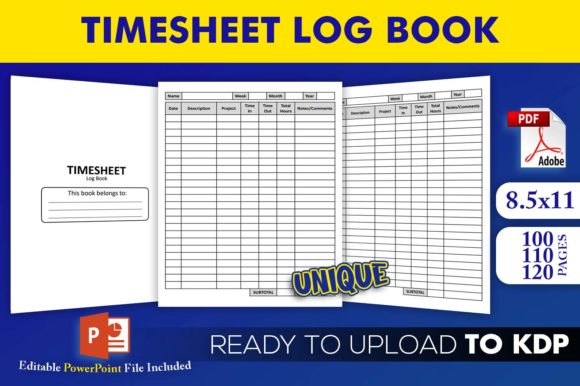
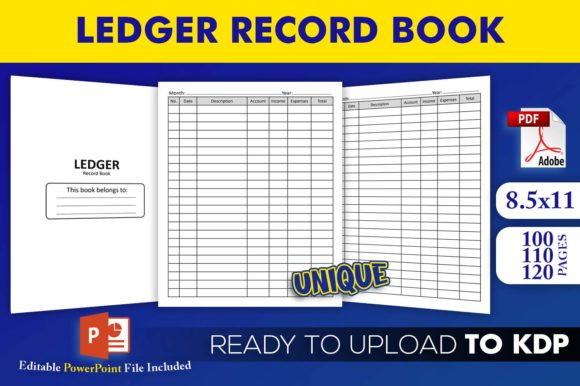
The primary value proposition of any KDP interior lies in its readiness for print. This Ledger Record Book KDP Interior Template is engineered specifically for the 8.5x11 trim size, which remains the industry standard for accounting and record-keeping books due to its ample writing space. The package includes high-resolution interiors across three distinct page counts: 100, 110, and 120 pages. This variation is significant because it allows publishers to test different price points and royalty margins without redesigning the core layout. A 100-page book may offer a lower entry price for budget-conscious buyers, while the 120-page version can justify a higher price point for users seeking long-term tracking solutions.
Crucially, the files have been tested on KDP to ensure they pass the automated review process. Rejection due to margin errors, bleed issues, or low-resolution graphics is a common friction point for self-publishers. By utilizing pre-validated PDF files, creators mitigate the risk of account flags or publication delays. The inclusion of three separate PDF interiors means you can upload directly to Amazon KDP without needing to manipulate the file structure, provided your cover dimensions match the selected page count and paper type.
The Role of the Editable PowerPoint Source File
While the ready-to-upload PDFs provide immediate utility, the editable source file in PowerPoint (.pptx) format distinguishes this template from static alternatives. Many low-content interiors are sold as flattened PDFs only, which limits their lifespan and marketability. With an editable PPTX file, publishers can modify headers, adjust column widths, change fonts, or add branding elements. This capability is essential for differentiation in a saturated marketplace.
For example, a publisher targeting real estate investors might need columns for "Property Address" and "Tenant Name," whereas a small business owner might require "Invoice Number" and "Tax Category." The editable source file allows for these niche-specific adaptations without requiring expensive design software like Adobe InDesign. However, users should note that editing requires a working knowledge of PowerPoint’s master slide functionality to maintain consistent margins and alignment across all pages. If you lack design confidence or prefer a strictly passive approach, the pre-made PDFs remain the safer, albeit less flexible, option.
Comparing Template-Based Interiors to Custom Design
When evaluating resources for ledger books, creators typically choose between pre-made templates, hiring freelance designers, or creating interiors from scratch. Each approach carries distinct tradeoffs regarding cost, time, and uniqueness.
- Pre-Made Templates: The Ledger Record Book KDP Interior Template falls into this category. The advantage is speed and verified technical compliance. The tradeoff is that other publishers may use the same base layout. Success depends heavily on how effectively you customize the editable source file or how well you target underserved micro-niches with the standard layout.
- Custom Freelance Design: Hiring a designer ensures a unique product tailored to specific user needs. However, costs can range significantly, and turnaround times are longer. Additionally, unless the freelancer specializes in KDP specifications, you may still face formatting rejections that require paid revisions.
- DIY from Scratch: Creating your own interior offers total control and zero licensing concerns. Yet, designing a functional ledger with proper gutters, safe zones, and crisp lines requires intermediate-to-advanced design skills. The learning curve for accounting-specific typography and spacing can be steep for beginners.
For publishers who want to validate a niche quickly before investing in custom design, the template approach serves as an effective middle ground. It reduces the barrier to entry while still providing enough flexibility to create a viable commercial product.
Functional Fit: When This Template Works Best
Ledger books serve a utilitarian purpose, and the interior must reflect that function. This template is best suited for publishers targeting audiences who need structured data entry rather than freeform journaling. Ideal use cases include small business expense tracking, rental income logs, craft fair sales records, household budgeting, and inventory management. The 8.5x11 size accommodates the horizontal spread necessary for multiple columns, making it superior to smaller trim sizes like 6x9 for this specific application.
The high-resolution aspect is non-negotiable for ledger books. Users expect sharp, dark lines that do not smudge or appear pixelated when printed. Blurry tables or faint grid lines render a financial record book unusable. Because this template emphasizes high-resolution output, it meets the professional expectations of adult users aged 20–50 who are likely using these books for actual business or serious personal finance management rather than casual note-taking.
Limitations and Decision Factors
Despite its strengths, this Ledger Record Book KDP Interior Template is not a universal solution. Publishers should consider the following limitations before purchasing:
- Niche Specificity: If your target audience requires highly specialized fields (e.g., medical billing codes or construction material estimates), the standard ledger layout may require extensive modification. Assess whether the editable PPTX can accommodate these changes without breaking the layout.
- Software Dependency: The editable component relies on Microsoft PowerPoint. Users who operate exclusively in Keynote, Google Slides, or LibreOffice may experience formatting shifts or font substitution issues. Verify your software compatibility before assuming full editability.
- Market Saturation: Standard ledger formats are competitive. Simply uploading the unmodified PDF without optimizing metadata, cover design, or keyword strategy is unlikely to generate sales. The template provides the interior, but market success depends on external factors.
- Paper Type Considerations: While the files are tested, always double-check your paper selection during upload. White paper is standard for ledgers, but if you plan to offer cream paper variants, verify that the contrast remains sufficient for financial data readability.
Strategic Implementation for Publishers
To maximize the return on this template, treat it as a foundation rather than a finished product. Use the editable source file to create variations that address specific pain points. For instance, adding a yearly summary page, monthly recap sections, or instructional pages on basic bookkeeping can transform a generic ledger into a comprehensive resource guide. These additions increase perceived value and justify higher pricing.
Additionally, leverage the multiple page count options strategically. Publish the 100-page version as a quarterly tracker and the 120-page version as an annual log. This creates a natural product ecosystem where customers may purchase multiple variants over time. Testing different page counts also provides data on consumer preference, informing future product development.
Finally, ensure your cover design complements the professional nature of the interior. A ledger book with a clean, functional interior paired with an amateurish cover will fail to convert. The interior quality sets the baseline for reviews, but the cover drives the initial click. Align your visual branding with the expectations of users seeking reliable financial organization tools.
Making an Informed Selection
The decision to use the Ledger Record Book KDP Interior Template should be based on your current skill level, timeline, and niche requirements. If you need a compliant, high-resolution starting point with room for customization and want to avoid the trial-and-error of DIY formatting, this template offers a practical solution. The combination of tested PDFs and an editable source file addresses both immediate publishing needs and long-term brand building.
However, if your niche demands proprietary layouts, or if you lack access to compatible editing software, exploring custom design services or alternative template providers may be more appropriate. Evaluate your specific constraints against the features outlined here. Ultimately, the best resource is one that aligns with your operational capacity while meeting the functional expectations of your target audience. By understanding both the capabilities and boundaries of this template, you can make a confident decision that supports sustainable publishing growth.